
The Arizona Senior Academy (ASA) Lifelong Learning Lecture series brings the best of Arizona’s academic and professional worlds directly to Academy Village. Twice weekly, we host presentations from University of Arizona faculty, regional experts, and our own distinguished **Resident Member**.
From climate change and healthcare to local art and global issues, these sessions deliver cutting-edge research and diverse perspectives to our community. Every lecture concludes with an interactive Q&A, allowing for direct, personal engagement with the presenters
Select the dates below for more information!
 Monday, October 26
3:00 – 4:00 pm, Koffler Great Room at ASA and Zoom
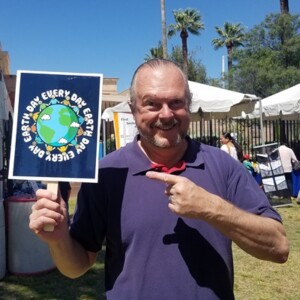
Reducing Single-Use Products in Your Daily Life
Kevin Greene and Nancy Parry, Sustainable Tucson’s Zero Waste Committee
Single-use items offer convenience, but they also cause serious environmental harm. This presentation shares simple, practical steps all of us can take to reduce our use of disposables at home and on the go. Read More…
 Wednesday, October 28
3:00 – 4:00 pm, Koffler Great Room at ASA and Zoom
Water In The Desert
Dan Stormont, Tucson Regional Manager for TEALs; Docent, Watershed Management Group and a member of the Sustainable Tucson Water Committee. He is the current chair of the City of Tucson’s Commission on Climate, Energy, and Sustainability.
Learn about the history of water in the Sonoran Desert, the current threats and opportunities related to this water supply, and how you can reduce your use at home. Read More…
 Monday, November 2
3:00-4:00 pm, Koffler Great Room at ASA and Zoom
The Five Big Energy Decisions That Really Matter
Mr. Gordon Nuttall, Volunteer Energy Coach for Sustainable Tucson
Efficient energy use is key to mitigating harm to the environment. By changing our energy choices, we can significantly help to remove carbon from our planet. Mr. Nuttall will provide a guide for efficiently heating and cooling our homes, along with the resources available to help us do so. If everyone were to implement a few cost-effective changes, it would have a significant impact on controlling climate change! Read More…
 Wednesday, November 4
3:00-4:00 pm, Koffler Great Room at ASA and Zoom
Waste Not, Want Not: How to Reduce Food Waste in Your Home
Donna Corbin, Former Curator, Philadelphia Museum of Art; Volunteer Member at Sustainable Tucson
Few Americans are aware of the detrimental environmental effects of wasting food. This presentation will introduce you to the environmental, economic, and societal issues surrounding this subject and will provide a strategy for reducing food waste at home. Read More…
 Monday, November 9
3:00 – 4:00 pm ASA Koffler Great Room & Zoom
The Dangerous Desirability of Lavinia in Vergil’s Aeneid.
Dr. Sarah McCallum, Associate Professor of Classics at the University of Arizona.
In the Aeneid, Vergil recounts the tale of Aeneas, a Trojan prince who escapes his fallen city and pursues his destiny to become the legendary ancestor of the Roman people. Dr. McCallum shows how this famous poem integrates elements from virtually every other ancient genre. Read More…

Monday, November 16
3:00 – 4:00 pm, Koffler Great Room at ASA and Zoom
From Paris to New York: America Becomes the Center of Modern Art” (Part 5 of 6)
**Resident Member** Deborah Robin: Ed.D., Nova Southeastern U; Regional Dir. of Ops., Keller Graduate School of Mgmt.; Art History Instructor, Art Institute of Phoenix and Scottsdale Museum of Contemporary Art
War and persecution brought European artists to New York, shifting the art world’s center from Paris. Inspired by these émigrés, American artists pioneered Abstract Expressionism and Pop Art. From Pollock’s energetic paintings to Warhol’s everyday imagery, New York became the capital of modern art and challenged traditional definitions of art. Read More…